Arriving back at the hotel after a day in Cairo, we had an hour to prepare for Shabbat. I had passed this delicious looking Swiss Icecream bar in the hotel for the past couple of days. Susan Levy and I thought this would be a great way to get ready for Shabbat and we each had a scoop of creamy coffee ice cream that was a Swiss form of gelato.
Before I left for the trip, I prepared abbreviated services from the new Sha’ar Zahav prayerbook, which helped us lead a beautiful service. The usage of the prayerbook was intentional since it had both masculine and feminine language choices, creativity and inclusivity. It is a product of some of the best progressive values reflected through tradition. I asked each of the Jews to reflect on one of the prayers that spoke to them.
It was such a sweet service with Susan, Z and Betsy each sharing what Shabbat means to them. We sang the Shabbos psalms and concluded within each others’ embrace. I felt people did not just learn about Judaism but they had a chance to experience it through the lens of the love imagery of the mystic’s adoration of the Sabbath. It was also a collective time to be centered and feel a sense of peace and rest.
One o f the concluding prayers made me smile hearing our diverse group read it together:
And then all what has divided us will merge.
And then compassion will be wedded to power.
And then softness will come
to a world that is often harsh and unkind.
And then both women and men will be gentle.
And then both men and women will be strong.
And then no other person will be subject to another's will.
And then all will be rich and varied.
And then all will share equally in the earth's abundance.
And then all will care for the sick and the weak and the old.
And then all will nourish the young.
And then all will cherish life's creatures.
And then all will live in harmony with each other and the earth.
And then everywhere will be called Eden once again.
Judy Chicago
Tuesday, October 19, 2010

Juma'ah in a hospital?
The Juma’ah Salat, or Friday prayer for Muslims is extremely important. A number of us were saddened that we were not going to be able pray with the Muslims as some of us had on past pilgrimages, but we understood that each culture had its norms and expectations. In the city we saw all of these grand masjids that the Muslims on our trip could choose from, and there was one beautiful one we had see from the palace of Salah-din where our guide said our group would pray Juma’ah. Somewhere in the works, our guide Yasser decided to make a change. Without giving people enough information to make choices, he dropped us off at the restaurant and to ensure that the Muslims would eat with us he chose a different prayer experience for the Muslims. Instead of seeing the inside of one of the beautiful Egyptian places of worship, he took them to a small cramped (and I heard kind of dirty) room in a hospital. How frustrating—I felt very disappointed on their behalf. The Muslims did not really complain as they returned, instead they rejoined us refreshed from prayer with the understanding that the whole world is a place of worship.
Monday, October 18, 2010
The Tower of Babel in Egypt?
Can you imagine a museum that is like your garage or attic where things are piled up nearly on top of each other with little wall or floor space? Now imagine that space with 100 people, 200 people…? The mammoth Egyptian Museum in downtown Cairo is just like that. There are antiquities everywhere. And where there is any space there are visitors. The guide rightly said that it could take 6 months to see everything—and that they did have a basement where even more of the antiquities were stashed out of view. The only thing that makes the experience more intense is that the visitors were like what I imagine if I had been at the Tower of Babel, all speaking different languages, all with different cultural norms and all with different perceptions of space and distance.
Plemon later pointed out that with so much stuff no wonder there are vendors selling things everywhere with great persistence. Blame the museum for the culture of selling in abundance.
There were sarcophaguses (sarcuophagi?) to fill a decent sized cemetery and beautiful death masks—including the well known image of King Tut’s. By the way, the guide pointed out his slender body and budding breasts depicted in some of the statues of his likeness. The guide made some hand gesture indicating he might have been gay… and then quickly dispelled that with evidence of wives and children. I debated teaching our guide the word transgender but whispered to Margaret instead who was thinking along similar lines. While I couldn’t hear the guide over the din, the reason for the body, had to do with Tut’s father, who may have been transgender or due to some medication…I couldn’t quite understand… All I know, is that because it was the way his father’s statues were built and so somehow he was honoring his father that way.
With all of this homage to death and the second life around us, I am surprised we have not had much discussion of the afterlife in our traditions…perhaps a round of interviews are in order.
Oh yeah, I almost forgot, Ben Stiller if you are following this I have the perfect spot for another sequel to A Night at the Museum
Alas, no cameras were allowed so you will have to see for yourself...
Plemon later pointed out that with so much stuff no wonder there are vendors selling things everywhere with great persistence. Blame the museum for the culture of selling in abundance.
There were sarcophaguses (sarcuophagi?) to fill a decent sized cemetery and beautiful death masks—including the well known image of King Tut’s. By the way, the guide pointed out his slender body and budding breasts depicted in some of the statues of his likeness. The guide made some hand gesture indicating he might have been gay… and then quickly dispelled that with evidence of wives and children. I debated teaching our guide the word transgender but whispered to Margaret instead who was thinking along similar lines. While I couldn’t hear the guide over the din, the reason for the body, had to do with Tut’s father, who may have been transgender or due to some medication…I couldn’t quite understand… All I know, is that because it was the way his father’s statues were built and so somehow he was honoring his father that way.
With all of this homage to death and the second life around us, I am surprised we have not had much discussion of the afterlife in our traditions…perhaps a round of interviews are in order.
Oh yeah, I almost forgot, Ben Stiller if you are following this I have the perfect spot for another sequel to A Night at the Museum
Alas, no cameras were allowed so you will have to see for yourself...

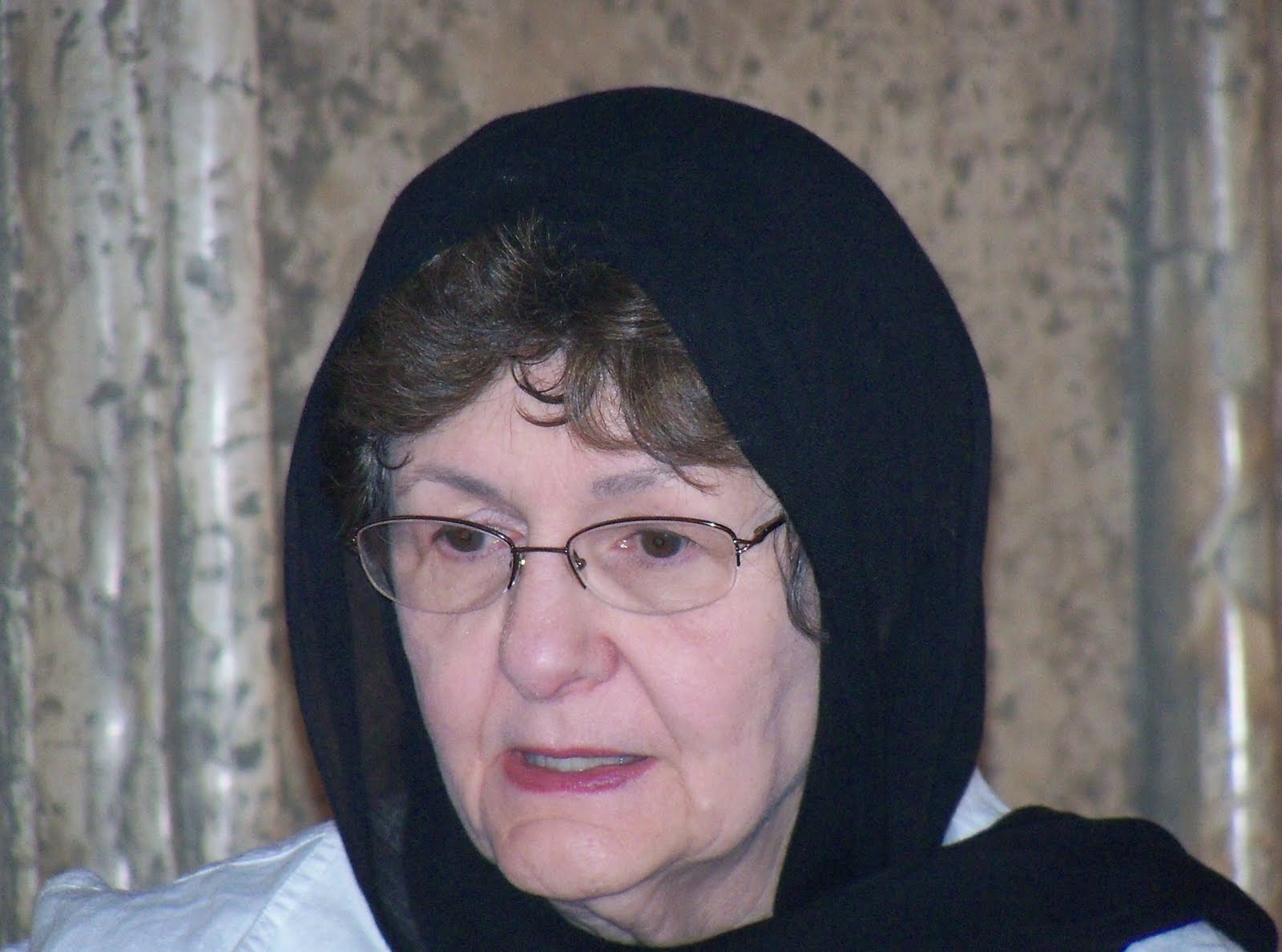


Women in the Masjid


I took pictures of everyone while we were sitting in the mosque. It seemed very serene. Pictured is Deborah, Bunny, Betsy, Barbara and Mary.
Places of Worship
On Friday we went to Salah-din’s palace and the Mohammed Ali Masjid. It was a beautiful masjid that was reminiscent on the Blue Mosque in Instabul. We gathered around and sat on the floor as we listened to Imam Plemon El-Amim.
Afterwards we went to the Hanging Church that had incredible mosaics that depicted the Holy Family’s travels in Egypt. When we went to enter the sanctuary, mass was happening so we stayed outside. Known as the Saint Virgin Mary's Coptic Orthodox Church also known as the Hanging Church it is one of the oldest churches in Egypt . The Hanging (The Suspended) Church is named for its location above a gatehouse of Babylon Fortress, its nave was suspended over a passage of a Roman fortress.
We left the church to go to the Ben Ezra Synagogue, which did not allow pictures. This relatively humble church was the home to the Cairo Genizah which was a huge discovery (a la Dead Sea Scrolls) giving us incredible insight into the Jewish world in Egypt. According to local tradition, it is located on the site of where baby Moses was found. The land for the synagogue was purchased in 882 CE for 20,000 dinars by Abraham ibn Ezra of Jerusalem.
Following this we went to St. George’s church which was also having mass, but this time we were allowed inside this Coptic Church.
Afterwards we went to the Hanging Church that had incredible mosaics that depicted the Holy Family’s travels in Egypt. When we went to enter the sanctuary, mass was happening so we stayed outside. Known as the Saint Virgin Mary's Coptic Orthodox Church also known as the Hanging Church it is one of the oldest churches in Egypt . The Hanging (The Suspended) Church is named for its location above a gatehouse of Babylon Fortress, its nave was suspended over a passage of a Roman fortress.
We left the church to go to the Ben Ezra Synagogue, which did not allow pictures. This relatively humble church was the home to the Cairo Genizah which was a huge discovery (a la Dead Sea Scrolls) giving us incredible insight into the Jewish world in Egypt. According to local tradition, it is located on the site of where baby Moses was found. The land for the synagogue was purchased in 882 CE for 20,000 dinars by Abraham ibn Ezra of Jerusalem.
Following this we went to St. George’s church which was also having mass, but this time we were allowed inside this Coptic Church.
Plemon's talk
Imam Plemon El-Amin spoke to our group about the basic tenants of Islam in the Muhammed Ali mosque.
Subscribe to:
Posts (Atom)